Exploring the Top Finnish Education Systems in India
Introduction:
Across the world, the Finnish education system is widely recognized as one of the most innovative and effective models for learning. At HEI School, it consistently ranks among the best education systems globally and is admired for its student-centered approach. But what exactly makes it so different from traditional education systems? Why are educators, parents, and policymakers increasingly interested in it?
Today, several institutions listed among the Top 10 Finnish Education Systems in India are introducing these progressive ideas into classrooms, helping students experience a more engaging and balanced learning environment.
About Us:
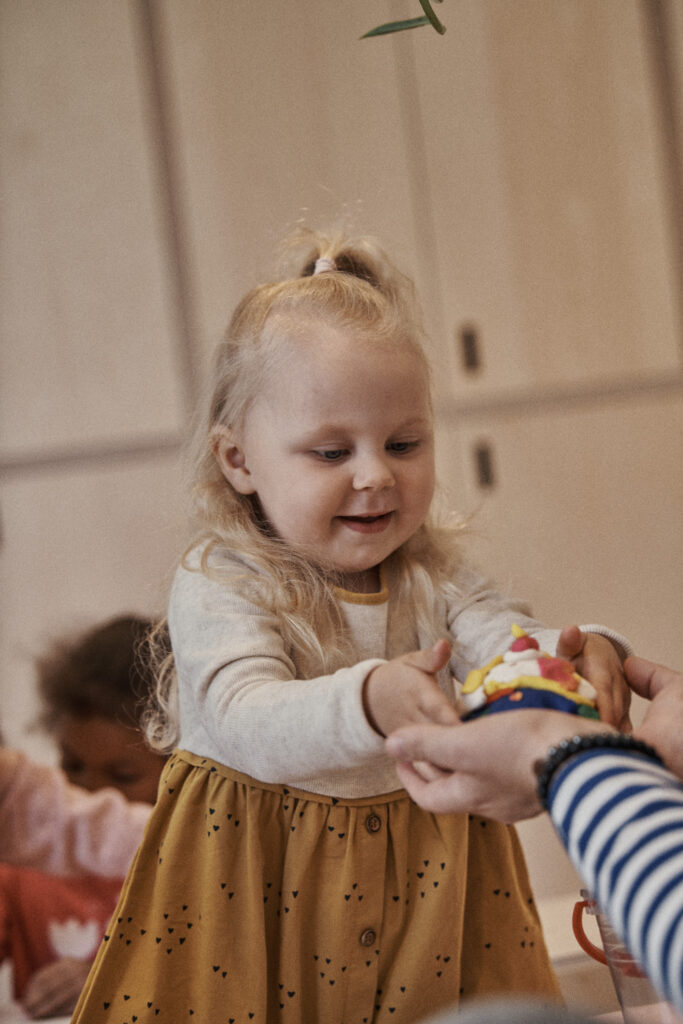
HEI Schools India introduces the Finnish approach to early childhood education, recognized globally for its child-centric and research-driven philosophy. The program focuses on nurturing curiosity, creativity, and independent thinking through play-based and experiential learning methods. Instead of traditional rote learning, children explore concepts through interactive projects, storytelling, creative arts, and outdoor activities. Carefully designed classrooms and trained educators create a supportive environment where every child can learn at their own pace. By combining Finnish pedagogy with Indian cultural values, the school fosters confident, curious, and happy learners prepared for the future.
Why Is Finland’s Education Model So Highly Regarded?
Finland’s education system is respected because it focuses on holistic development rather than academic pressure. Instead of emphasizing exams and memorization, it prioritizes creativity, curiosity, collaboration, and real-world problem solving.
Many educators notice that this approach aims to make learning meaningful rather than stressful. Children are encouraged to ask questions, explore ideas, and develop a genuine love for learning.
How Does the Finnish System Focus on Student Well-Being?
One of the most unique aspects of the Finnish model is its strong focus on student well-being. In Finland, education is designed to ensure that children feel safe, supported, and motivated.
Schools emphasize:
- Balanced school schedules
- Shorter school days for younger learners
- Frequent breaks between lessons
- Emotional and social development
Why Are Teachers So Important in the Finnish Model?
In Finland, teaching is considered one of the most respected professions. Teachers undergo rigorous training and are trusted with significant autonomy in the classroom.
Instead of rigidly following standardized textbooks, educators are encouraged to design lessons that suit their students’ learning styles. This flexibility allows teachers to focus on understanding each child’s strengths and challenges.
Does the Finnish System Reduce Academic Pressure?
Yes, and that is one of the reasons it stands out globally. Unlike many education systems that rely heavily on standardized testing, Finland places far less emphasis on exams during early schooling.
Students are evaluated through continuous observation, feedback, and project-based learning rather than frequent tests. This reduces stress and encourages deeper understanding of concepts.
How Does Learning Become More Interactive?
Another defining feature of the Finnish model is its emphasis on experiential and phenomenon-based learning. Instead of studying subjects in isolation, students explore real-world topics that combine multiple disciplines.
For example, a project on climate change may include elements of science, geography, mathematics, and social studies. This method helps students understand how different subjects connect in real-life situations.
Is Creativity a Key Part of Finnish Education?
Absolutely. Creativity is seen as an essential skill for the future. Finnish classrooms encourage students to express themselves through art, music, storytelling, design, and problem-solving activities.
Rather than focusing solely on academic performance, students are encouraged to explore their interests and develop innovative thinking skills.
How Does the Finnish Model Prepare Students for the Future?
Education in Finland focuses on preparing students for life rather than just exams. Students learn practical skills such as collaboration, communication, critical thinking, and adaptability.
These skills are essential for navigating an increasingly complex and rapidly changing world. By encouraging independent thinking and curiosity, the Finnish model helps students become confident lifelong learners.
Why Is Finland’s Education Philosophy Influencing Schools Worldwide?
The success of Finland’s education system has inspired many countries to rethink traditional teaching methods. Its emphasis on student well-being, teacher empowerment, and creative learning has shown that academic excellence does not have to come at the cost of childhood happiness.
As more institutions adopt these ideas, the influence of the Finnish approach continues to grow globally.
Conclusion:
The Finnish education system stands out because it focuses on what truly matters in learning—curiosity, creativity, well-being, and meaningful understanding. By reducing academic pressure and encouraging exploration, it helps students develop the confidence and skills needed for the future.
As this philosophy continues to inspire educators around the world, institutions bring these innovative ideas into classrooms, offering students a new way to learn, grow, and thrive.
FAQs:
-
Why is the Finnish education system famous worldwide?
It focuses on creativity, student well-being, and concept-based learning.
-
How is Finnish education different from traditional systems?
It reduces exams and emphasizes exploration, collaboration, and problem-solving.
-
Do Finnish schools focus on student happiness?
Yes, balanced schedules and emotional development are key priorities.
-
How does HEI School India bring Finnish education to students?
By adopting Finnish pedagogy and experiential learning methods.
-
Why are parents exploring the Top 10 Finnish Education Systems in India?
They offer modern, child-centered learning environments.
-
Does Finnish education improve creativity and critical thinking?
Yes, project-based learning encourages innovation and curiosity.
Related Posts
How much does it cost to start a preschool franchise in India?
Introduction: At HEI School, starting a preschool is both a meaningful and profitable opportunity for many entrepreneurs who want to contribute to early childhood education…

Understanding the Growing Demand for Preschool Franchises in India
Introduction: The preschool sector in India has experienced significant growth in recent years, becoming a highly lucrative investment opportunity. At HEI School, one of the…
Why Starting an International School Franchise in India Is a Smart Move?
Introduction: India’s education sector has experienced significant transformation in recent years, fueled by a greater focus on quality education, technological advancements, and a rising demand…