
The Future of Play School Franchises in India: Trends to Watch in 2026
Introduction:
India’s early childhood education sector is on the verge of significant transformation. As more parents recognize the importance of providing their children with a strong educational foundation from an early age, the demand for high-quality play schools continues to rise. At HEI School, the Best Play School Franchise in India, for entrepreneurs, this presents a golden opportunity to invest in the growing play school franchise market. However, to succeed in this competitive landscape, it is crucial to keep an eye on the emerging trends that are shaping the future of the sector.
In this article, we will explore the key trends that are set to define the future of play school franchises in India in 2026. These trends will provide valuable insights into what the industry is evolving towards and how play school franchise owners can stay ahead of the curve.
About Us:
The future of play school franchises in India is bright, with demand for high-quality early education on the rise. At HEI Schools India, we are at the forefront of this evolution, embracing the latest trends in early childhood education. The next wave of innovation lies in integrating global education models, such as our Finnish-inspired curriculum, with local values. We see a growing emphasis on play-based learning, STEM (science, technology, engineering, and math) integration from an early age, and a focus on developing emotional intelligence alongside academic learning. Our model prepares children for the future with a balanced and well-rounded approach. For franchisees, this presents a tremendous opportunity to partner with a leading global brand that is continually evolving, offering personalized learning experiences that ensure children’s success and equip them with lifelong skills.
1. Increased Focus on Holistic Child Development
As parents become more conscious of the importance of early childhood education, there is a shift toward play schools that prioritize holistic child development. While traditional academic learning remains a key component, parents are now looking for play schools that offer well-rounded experiences that nurture not only intellectual development but also emotional, social, and physical growth.
In 2026, the best play school franchises in India will focus on providing a comprehensive curriculum that includes:
- Cognitive Development: Programs that stimulate critical thinking, problem-solving, and creativity.
- Emotional and Social Development: Activities that teach children to interact with others, manage their emotions, and build social skills.
- Physical Development: Incorporation of movement-based activities like yoga, dance, and outdoor play that help children develop motor skills and overall health.
Franchises that offer a well-balanced mix of academic and extracurricular activities will be more attractive to parents seeking to ensure their child’s overall well-being.
2. Integration of Technology in Early Education
The integration of technology in education has been steadily growing, and this trend is expected to accelerate in the play school sector by 2026. With digital tools becoming more sophisticated, there are new opportunities to enhance the learning experience for young children.
In play school franchises, the use of technology can take many forms, such as:
- Interactive Learning Tools: Digital devices, apps, and games designed to engage young minds in learning activities while fostering creativity and problem-solving skills.
- Virtual Classrooms: In situations where children cannot attend school in person (e.g., during pandemics or natural disasters), virtual classrooms will become a more common feature.
- Learning Analytics: Technology will also help track children’s progress, providing valuable insights into their development. This data can be shared with parents to ensure they are well-informed about their child’s learning journey.
Play school franchises that embrace technology in a way that complements the learning process rather than replaces traditional methods will be well-positioned to meet the growing demand for modern, tech-enhanced education.
3. Personalized Learning Experiences
As more parents demand customized education for their children, personalized learning will become a key differentiator for play school franchises. By 2026, we can expect an increasing number of franchises to offer personalized learning experiences that cater to each child’s unique needs, interests, and learning styles.
This can include:
- Customized Curriculum: Adapting the curriculum to suit the child’s pace, interests, and strengths, providing a more individualized approach to education.
- Smaller Class Sizes: Smaller student-teacher ratios will allow for more focused attention on each child, ensuring that their specific learning needs are met.
- Adaptive Learning Platforms: Digital platforms that adjust learning content based on the child’s abilities, helping them progress at their own speed.
By offering personalized learning experiences, play school franchises can enhance the educational experience and better meet the diverse needs of children and their parents.
4. Sustainability and Eco-Friendly Practices
Environmental consciousness is growing rapidly in India, and this trend is making its way into the education sector. By 2026, more play school franchises will likely adopt sustainable and eco-friendly practices as a way to align with growing societal expectations around environmental responsibility.
Key eco-friendly trends in play school franchises include:
- Green Schools: Play schools built with sustainable materials, energy-efficient systems, and eco-friendly infrastructure that reduce the environmental footprint.
- Outdoor Learning: Encouraging outdoor activities and nature-based learning to help children connect with the environment and learn about sustainability in a hands-on way.
- Waste Reduction: Reducing plastic usage, implementing recycling programs, and promoting eco-friendly alternatives in daily operations.
Parents are becoming more eco-conscious and are likely to choose play schools that promote environmental responsibility, making sustainability a critical trend for play school franchises to embrace in the coming years.
5. The Rise of Franchise Models with Flexible Formats
One of the most significant trends to watch for in 2026 is the evolution of flexible franchise formats in the play school sector. Traditional play schools have a fixed infrastructure, but as the demand for early childhood education increases, play school franchises are becoming more flexible in their offerings.
Flexible formats could include:
- Micro-Franchises: Smaller, more affordable play school units that can be operated in different locations, making them ideal for tier-2 and tier-3 cities or underserved regions.
- Mobile Play Schools: Pop-up or mobile play schools that travel to different locations, providing education to children in remote or underserved areas.
- Hybrid Learning Models: Combining in-person and online learning, allowing children to access education both in the classroom and from home.
These flexible formats offer opportunities for entrepreneurs to enter the play school market with lower capital investment, while still benefiting from the support of a larger franchise brand.
6. Growing Demand for International Curriculum
With an increasingly globalized world, Indian parents are becoming more interested in international curricula for their children, even at the play school level. By 2026, the demand for play school franchises offering international education frameworks, such as the Montessori, Reggio Emilia, or International Baccalaureate (IB) programs, will likely rise.
International curricula offer:
- Global Exposure: Children are introduced to a global way of thinking, which prepares them for future international learning environments.
- Holistic Learning: These curricula focus on child-centered learning, encouraging creativity, critical thinking, and social skills.
- Increased Opportunities: Internationally focused play schools can help set the stage for children’s future success in competitive global environments.
Franchises that adopt international curricula and provide a global education perspective will be highly sought after in the coming years.
7. Focus on Mental Health and Well-being
The importance of mental health and emotional well-being has gained significant attention in recent years, and this trend will continue to influence the play school sector. By 2026, many play school franchises will integrate mental health awareness and well-being programs into their curricula to support the emotional and psychological development of children.
Key mental health and well-being practices may include:
- Mindfulness Activities: Introducing children to mindfulness techniques such as meditation, yoga, and breathing exercises to help them manage stress and emotions.
- Emotional Literacy: Teaching children to identify, express, and manage their emotions in healthy ways.
- Parental Involvement: Offering workshops and resources for parents to support their children’s emotional well-being at home.
As mental health becomes a priority in education, play school franchises that integrate these practices will be better equipped to support children’s holistic development.
8. Collaborations with Corporate Partners and NGOs
In 2026, we expect to see more play school franchises partnering with corporate companies and non-governmental organizations (NGOs) to improve their educational offerings and expand their reach. These collaborations can bring in additional resources, expertise, and funding, which can be used to enhance the quality of education and infrastructure.
Corporate partnerships may provide:
- Funding for Infrastructure: Corporate sponsors can help play school franchises build state-of-the-art facilities, making them more attractive to parents.
- Specialized Programs: Collaborations with NGOs focused on early childhood education can provide specialized programs, materials, and teaching methods.
- Community Outreach: Collaborations with NGOs focused on social causes can help play schools engage with underserved communities, broadening their impact.
By forming strategic partnerships, play school franchises can leverage additional support to scale their operations and offer a higher-quality educational experience.
9. Enhanced Focus on Teacher Training and Development
A strong, well-trained teaching staff is essential for the success of any play school franchise. In 2026, we will see a heightened focus on teacher training and professional development in the play school sector. Play school franchises will likely offer more comprehensive training programs and development opportunities to ensure that their educators are equipped with the skills and knowledge needed to provide the best possible education to young children.
This could include:
- Ongoing Professional Development: Regular workshops, seminars, and certifications to keep teachers updated on the latest educational trends and best practices.
- Specialized Training: Training focused on areas such as child psychology, special needs education, and emotional well-being.
- Incentive Programs: Providing teachers with performance-based incentives to encourage high standards of teaching.
Play school franchises that invest in their educators will be able to provide higher-quality education and create a positive and effective learning environment.
Conclusion:
The future of play school franchises in India looks bright, with numerous trends driving innovation and growth in the sector. From a focus on holistic child development and personalized learning to the integration of technology and sustainability, play school franchises that embrace these trends will be well-positioned to succeed in 2026 and beyond.
As India’s demand for high-quality early childhood education continues to rise, entrepreneurs looking to enter the play school franchise market should stay ahead of these trends to ensure they are meeting the needs of today’s parents and providing the best educational experience for young learners.
FAQs:
Q1: What is the future of play school franchises in India by 2026?
A1: The market is set to grow with an increased focus on holistic development, tech integration, and student-centered learning models, driven by brands like HEI Schools India.
Q2: Are play school franchises focusing more on technology?
A2: Yes, many franchises, including HEI Schools, are incorporating technology to enhance learning through interactive tools and virtual classrooms.
Q3: What makes the Finnish curriculum popular in Indian play school franchises?
A3: The Finnish curriculum promotes holistic development, creativity, and independent thinking, making it ideal for early education at franchises like HEI Schools India.
Q4: Why are eco-friendly practices becoming common in play schools?
A4: Environmental awareness is on the rise, and franchises like HEI Schools India are adopting sustainable practices to provide eco-conscious education.
Q5: How important is personalized learning in play school franchises?
A5: Personalized learning is key to child development. Franchises like HEI Schools India offer tailored learning experiences that meet individual student needs.
Q6: Are smaller play school franchises more flexible in 2026?
A6: Yes, emerging models like micro-franchises offer more flexible formats, making it easier for entrepreneurs to start with low investment and scalability.
Related Posts
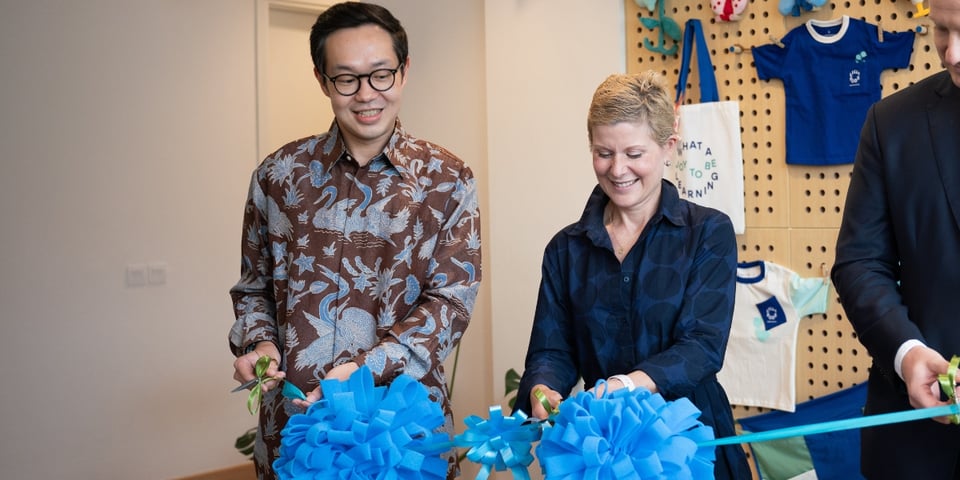
HEI Schools Launches HEI Indonesia to Strengthen Presence in Southeast Asia
Helsinki, Finland – October 2025 – HEI Schools, a global pioneer in Finnish early education, proudly announces the establishment of HEI Indonesia through a master license partnership with PT…


Understanding the Growing Demand for Preschool Franchises in India
Introduction: The preschool sector in India has experienced significant growth in recent years, becoming a highly lucrative investment opportunity. At HEI School, one of the…

Top Play School Franchise Opportunities in India in 2026
Introduction: As India continues to progress in its educational landscape, the demand for high-quality early childhood education is rapidly increasing. Parents are now more focused…