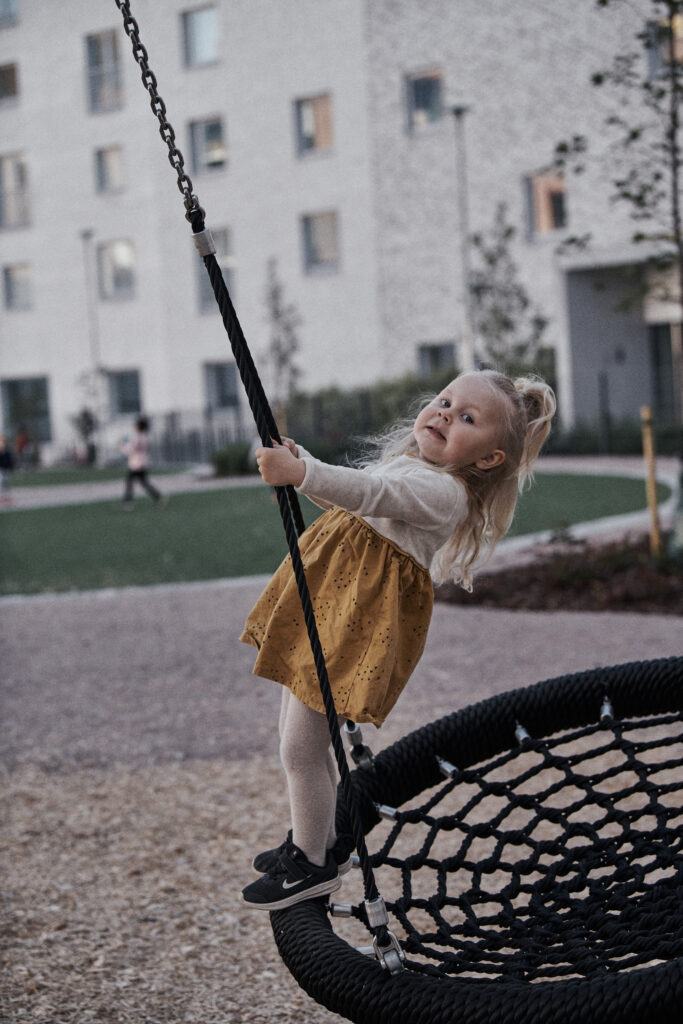
Why Finnish Education Is a Global Model for Success?
Introduction:
The Finnish education system has become a benchmark for quality education worldwide. At HEI School, the Top 10 Finnish Education Systems in India which is renowned for its high standards, innovation, and focus on holistic development, Finland’s approach to education has gained global recognition. Countries from all corners of the world are studying Finland’s educational practices and looking to implement them in their own schools. The key to Finland’s success lies in its unique blend of academic excellence, teacher autonomy, and student well-being.
This article explores why the Finnish education system is considered a global model for success and how it has influenced educational practices across the globe, particularly in India, where many schools are adopting aspects of this model to enhance their teaching methods and student outcomes.
About Us:
Finnish education is celebrated globally for its innovative, child-centered approach, and HEI Schools India brings this successful model to Indian shores. Finnish education emphasizes creativity, independent thinking, and holistic development, focusing on the child’s emotional, social, and cognitive well-being. At HEI Schools, we are proud to be part of this movement, offering a curriculum that blends Finland’s best educational practices with India’s diverse cultural context. We create an environment where children thrive by engaging in playful learning experiences that stimulate curiosity, foster critical thinking, and build empathy. Finnish education places strong emphasis on educators’ professional development, ensuring that every teacher at HEI Schools India is trained to meet the highest standards. By adopting this global model, we’re preparing young minds to become confident, capable, and compassionate global citizens, laying a strong foundation for their future success.
1. A Focus on Equality and Accessibility
One of the key reasons why Finland’s education system is often regarded as a global model is its commitment to ensuring equality and accessibility in education. Finland’s education system is designed to provide equal opportunities for all students, regardless of their socio-economic background, geographical location, or special needs.
In Finland, education is seen as a universal right. Public education is free at all levels, and the government provides free school meals, transportation, and healthcare. This level of investment ensures that all children have access to quality education, leveling the playing field and ensuring that no child is left behind.
2. Highly Trained and Respected Teachers
Teachers are at the heart of the Finnish education system’s success. In Finland, teaching is a highly respected profession, and teachers are considered experts in their field. Teachers must hold a master’s degree in education, and they receive extensive training in pedagogy, child psychology, and subject knowledge. This rigorous preparation equips them with the skills and confidence to foster a positive and productive learning environment.
Moreover, Finnish teachers are given a high degree of autonomy in the classroom. They are trusted to design and implement lessons in ways that best suit their students’ needs, without heavy-handed oversight. This freedom fosters creativity and encourages teachers to engage students in dynamic and interactive ways.
3. Emphasis on Holistic Development
The Finnish education system places a strong emphasis on the holistic development of students. While academic achievement is important, Finland’s approach to education also prioritizes the emotional, social, and physical development of children. Finnish schools focus on nurturing well-rounded individuals who are capable of thinking critically, solving problems creatively, and working collaboratively.
In Finland, students have plenty of opportunities to engage in physical activity, the arts, and other extracurricular activities that promote personal growth and social skills. Finland’s schools encourage students to pursue their interests and passions, allowing them to develop a love for learning that extends beyond the classroom.
4. Student-Centered Learning
Finnish education is known for its student-centered approach. Rather than focusing on standardized testing and rote memorization, the Finnish system is designed to cater to the individual needs and learning styles of students. Teachers work closely with students to understand their strengths and weaknesses, tailoring lessons to support their unique learning journeys.
The emphasis on student-centered learning means that students are encouraged to take ownership of their education. In Finland, students are given the flexibility to explore topics of interest, ask questions, and engage in self-directed learning. This fosters independence, critical thinking, and a lifelong love of learning.
5. Minimal Standardized Testing
One of the most notable features of the Finnish education system is the limited use of standardized testing. Unlike many other countries, Finland does not subject students to frequent, high-stakes exams. Instead, students are assessed through ongoing observation, teacher feedback, and personalized learning outcomes. The focus is on understanding and mastery of concepts, not memorization for exams.
In Finland, students typically take only one formal standardized test during their entire education—at the end of upper secondary school. This reduces the pressure on students and allows them to focus on developing a deep understanding of the subject matter, rather than stressing about test scores.
6. A Strong Support System for Students
Finnish schools are known for their strong support systems for students. Teachers in Finland are trained to recognize and address the emotional, social, and academic needs of their students. Special education is a key aspect of the Finnish education system, and schools work hard to provide tailored support to children with learning disabilities or those who require additional help.
Moreover, Finland’s education system promotes a collaborative approach to learning, where students are encouraged to help one another and work together. This fosters a sense of community and encourages students to learn from each other, building social and emotional intelligence.
7. Innovation and Flexibility in Curriculum Design
Finland’s education system is known for its innovation and flexibility in curriculum design. Teachers have the freedom to adapt the curriculum to meet the needs of their students, and schools are encouraged to innovate and experiment with new teaching methods and materials. This flexibility allows Finnish educators to be creative and responsive to the changing needs of their students.
The Finnish curriculum is constantly evolving to stay relevant and effective, with an emphasis on integrating new technologies, cross-disciplinary learning, and real-world applications. This approach ensures that students are not just learning theoretical knowledge but are also developing the skills they need to succeed in the real world.
8. Work-Life Balance for Teachers and Students
Finland places a high value on the well-being of both teachers and students. Teachers in Finland enjoy a high degree of work-life balance, which is supported by reasonable working hours, minimal administrative work, and a focus on quality rather than quantity in teaching. This balance allows teachers to focus on their passion for education and provide students with the best possible learning experiences.
Similarly, Finland emphasizes the importance of work-life balance for students. Finnish students enjoy shorter school days, longer breaks, and more time for leisure and outdoor activities. This approach ensures that students are not overburdened with academic pressure and have time to relax, socialize, and engage in creative play.
9. Global Influence and Growing Popularity
Finland’s education system has had a profound impact on global education policies and practices. The country consistently ranks among the top in international assessments, such as the Programme for International Student Assessment (PISA), which measures the academic performance of 15-year-olds across the world.
As Finland’s education model gains recognition, more countries, including India, are seeking to incorporate aspects of it into their own educational systems. Finnish education’s success lies not only in its emphasis on academic achievement but also in its focus on social equality, well-being, and individualized learning. These principles resonate with parents and educators worldwide, driving the adoption of Finnish-inspired practices in schools globally.
Conclusion:
The Finnish education system offers a comprehensive and successful model for education that focuses on equality, teacher autonomy, student well-being, and a student-centered approach. Finland’s success in education is due to its holistic and progressive approach that prioritizes the development of well-rounded individuals capable of critical thinking, creativity, and collaboration.
As India and other countries continue to adapt their education systems to meet the needs of the 21st century, the Finnish model provides valuable insights into how to build a strong, equitable, and innovative education system. By adopting elements of Finland’s education system, India can enhance its educational practices and create a brighter future for generations to come.
FAQs:
Q1: What makes Finnish education a global benchmark for success?
A1: Finnish education emphasizes equality, high teacher standards, and student well-being, setting a global standard for holistic, impactful learning.
Q2: How does the Finnish education system benefit students?
A2: It fosters critical thinking, creativity, and emotional intelligence, preparing students for success in life and future careers.
Q3: Why do schools like HEI Schools India follow the Finnish model?
A3: HEI Schools India embraces Finland’s child-centered approach, integrating it into their curriculum to offer world-class education to young learners.
Q4: Is teacher autonomy important in the Finnish education system?
A4: Yes! Finnish teachers have the autonomy to design lessons that best suit their students’ needs, fostering creativity and engagement in classrooms.
Q5: How does Finnish education support inclusivity?
A5: Finland’s system ensures that every child, regardless of their background or abilities, receives equal opportunities for growth, serving as a model for schools worldwide.
Q6: Can Finnish education methods be applied in Indian schools?
A6: Yes, many Indian schools, including HEI Schools India, are adopting Finnish-inspired methods like personalized learning, minimal testing, and holistic development.
Related Posts
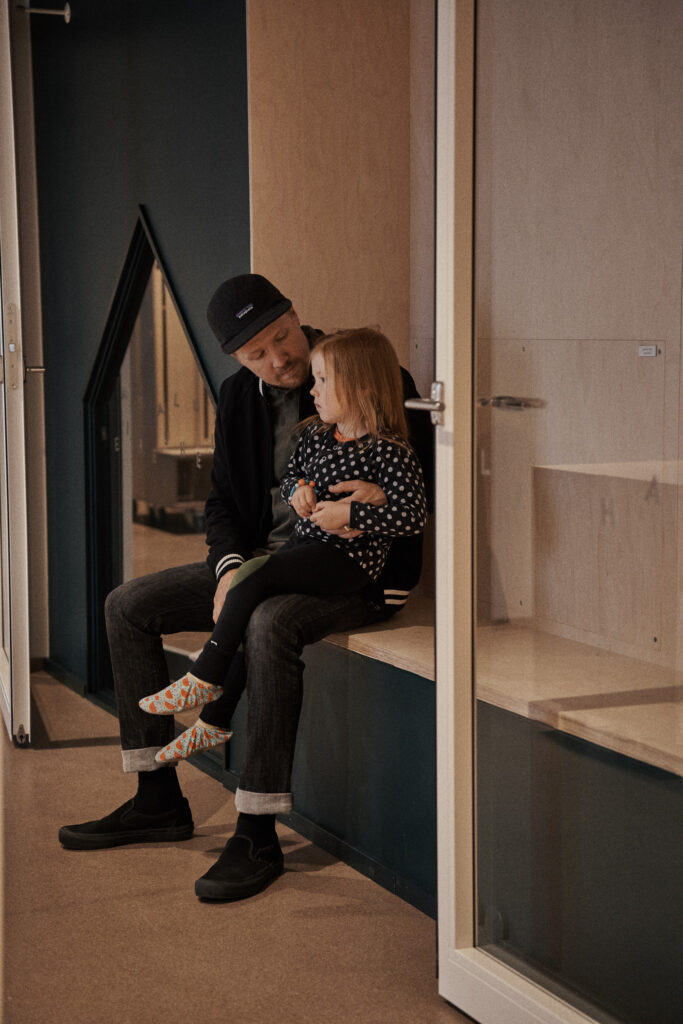
How much does it cost to start a preschool franchise in India?
Introduction: At HEI School, starting a preschool is both a meaningful and profitable opportunity for many entrepreneurs who want to contribute to early childhood education…

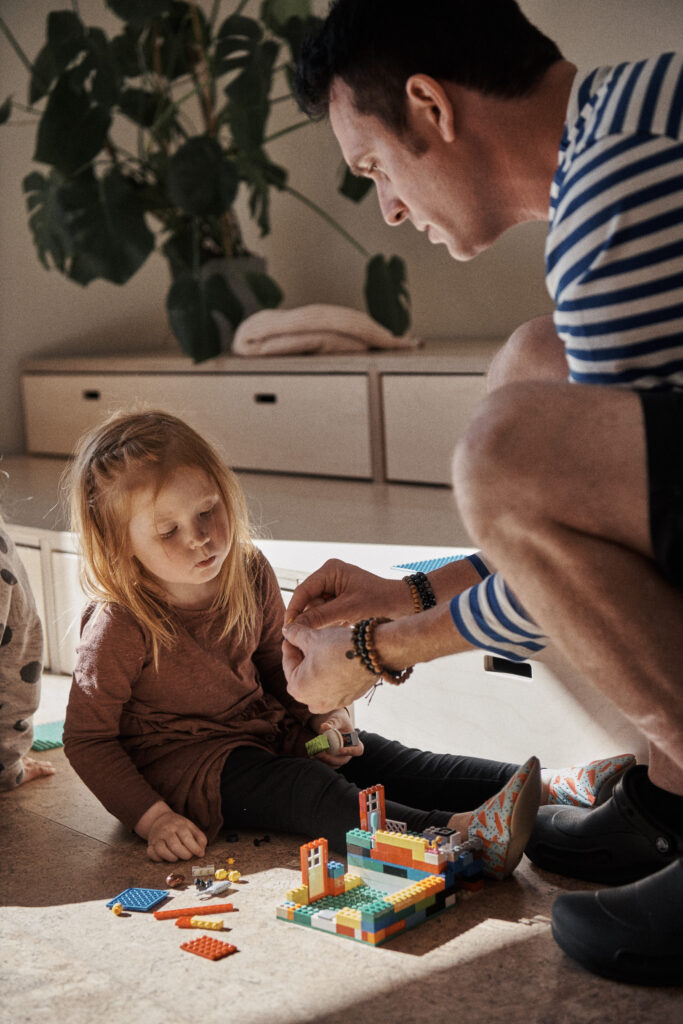
How Early Childhood Education Businesses Are Expanding Across the Country?
Introduction: Early childhood education in India is experiencing a remarkable transformation. At HEI School, parents today are far more conscious about the importance of early…
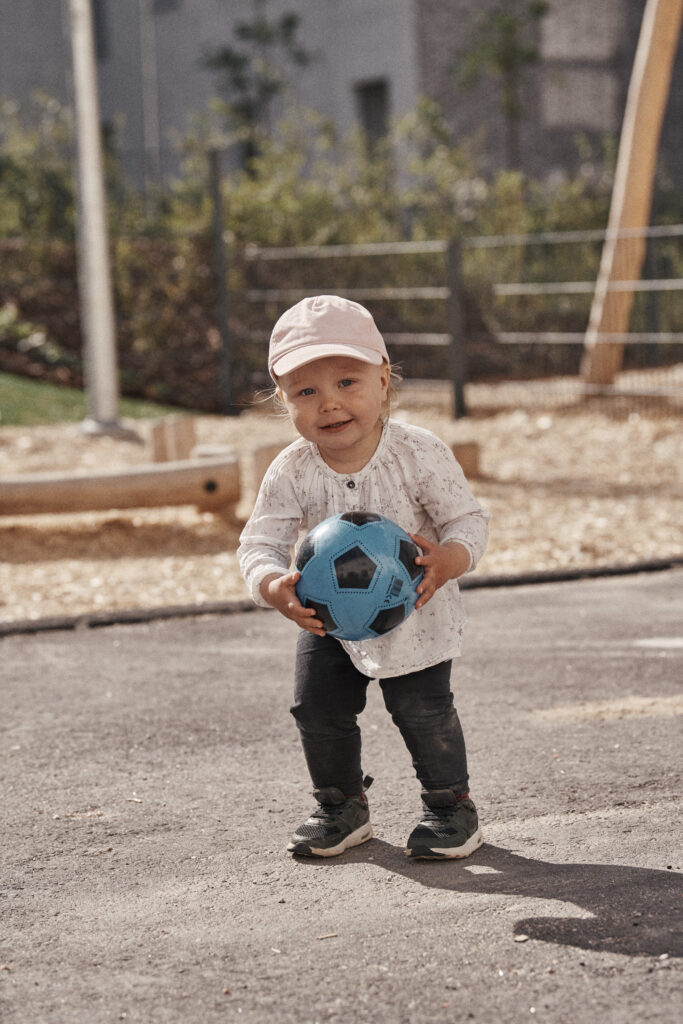
What are the requirements for opening a top preschool franchise in India?
Introduction: At HEI School, early childhood education is gaining tremendous importance across India as parents increasingly recognize the value of structured learning during the formative…