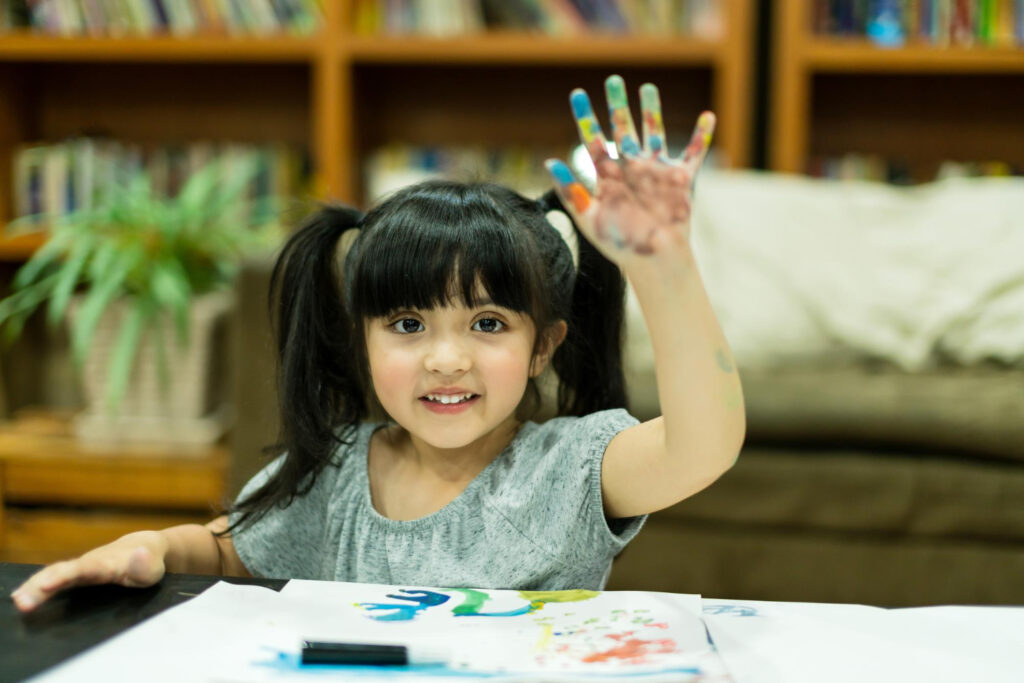
15 Signs Your Child Is Ready for Preschool (Age-Wise Checklist)
Wondering whether your little one is ready for preschool? While every child develops at their own pace, there are several emotional, social, physical, and communication milestones that indicate preschool readiness. This age-wise checklist highlights 15 important signs to help parents make an informed decision. Choosing the right preschool can provide children with a strong foundation for lifelong learning and development.
Sending your child to preschool is one of the first major milestones in their educational journey. It marks the beginning of structured learning, social interaction, and independent exploration. However, many parents often wonder, “Is my child really ready for preschool?”
The answer isn’t solely based on age. Preschool readiness depends on a combination of emotional maturity, communication skills, physical independence, and social development. While most children begin preschool between the ages of 2 and 4 years, every child reaches milestones at their own pace.
This age-wise checklist will help you identify whether your child is prepared to take the exciting step into preschool.
Why Preschool Readiness Matters
When children enter preschool at the right developmental stage, they adapt more easily to routines, build confidence, and enjoy learning experiences. Preschool also helps children strengthen important life skills such as communication, teamwork, creativity, and problem-solving.
Parents should look beyond academic abilities and focus on overall development before enrolling their child.
Preschool Readiness Checklist by Age
Ages 2–2.5 Years
At this stage, children are beginning to explore the world around them and develop basic independence.
1. Can Stay Away from Parents for a Short Time
A child doesn’t need to be completely independent but should gradually become comfortable spending an hour or two with trusted caregivers.
Signs include:
- Doesn’t cry excessively after separation
- Enjoys spending time with grandparents or relatives
- Can be comforted by another adult
2. Shows Curiosity About New Things
Children ready for preschool often enjoy exploring their surroundings.
Examples include:
- Looking through books
- Playing with blocks
- Asking questions
- Observing nature
Curiosity is the first step toward meaningful learning.
3. Begins Following Simple Instructions
Can your child understand basic directions?
Examples:
- Pick up your toys.
- Bring your shoes.
- Sit down.
Following one-step instructions indicates growing listening skills.
Ages 2.5–3 Years
Children become more social and independent during this period.
4. Communicates Basic Needs
Your child should be able to express simple needs using words or short sentences.
Examples:
- “I’m hungry.”
- “I want water.”
- “Bathroom.”
Communication helps teachers understand and support children’s needs.
5. Enjoys Playing with Other Children
Parallel play gradually develops into interactive play.
Look for signs such as:
- Sharing toys occasionally
- Smiling at peers
- Joining simple games
- Watching and copying other children
6. Has Basic Self-Help Skills
Preschool encourages independence.
Helpful skills include:
- Washing hands
- Drinking from a cup
- Attempting to wear shoes
- Eating with a spoon
Children don’t need perfection—just willingness to try.
7. Can Sit for Short Activities
Most preschool activities last 10–15 minutes.
A preschool-ready child can usually:
- Listen to a story
- Color a picture
- Build blocks
- Complete simple puzzles
Ages 3–4 Years
This is the most common preschool entry age.
8. Understands Daily Routines
Children who adapt well usually recognize simple routines such as:
- Snack time
- Playtime
- Circle time
- Clean-up time
Predictable routines make children feel secure.
9. Shows Interest in Learning
Your child may already enjoy:
- Singing rhymes
- Looking at picture books
- Counting objects
- Naming colors
- Asking “Why?”
These are positive indicators of preschool readiness.
10. Expresses Emotions Clearly
Children don’t need perfect emotional control, but they should begin expressing feelings using words.
Examples include:
- “I’m sad.”
- “I’m angry.”
- “I don’t like this.”
Learning emotional expression supports healthy social development.
11. Can Follow Two-Step Directions
For example:
- Pick up your bag and keep it on the table.
- Wash your hands and sit for lunch.
This shows growing attention and memory skills.
12. Demonstrates Basic Toilet Independence
While every preschool has different policies, basic toilet readiness is beneficial.
Children should ideally:
- Inform adults when they need the toilet
- Wash hands afterward
- Manage simple clothing with some assistance
Ages 4+ Years
Older preschoolers generally display greater confidence and independence.
13. Works Well in Groups
Children should begin enjoying group participation such as:
- Singing together
- Art activities
- Story sessions
- Team games
Group learning builds cooperation and communication.
14. Solves Simple Problems Independently
Examples include:
- Finding a missing toy
- Asking for help politely
- Completing simple puzzles
- Choosing between activities
Problem-solving promotes confidence and resilience.
15. Shows Excitement About School
Perhaps the strongest sign is enthusiasm.
Children who ask questions like:
- “When will I go to school?”
- “Will I make friends?”
- “Can I carry my backpack?”
are often emotionally prepared for preschool.
Quick Preschool Readiness Checklist
Here’s a simple checklist for parents:
- Can separate from parents without major distress
- Shows curiosity about surroundings
- Follows simple instructions
- Communicates basic needs
- Plays alongside or with other children
- Practices basic self-help skills
- Sits through short activities
- Understands routines
- Enjoys stories and songs
- Expresses emotions verbally
- Follows two-step instructions
- Shows toilet readiness
- Participates in group activities
- Solves small problems independently
- Looks forward to going to school
Remember, your child doesn’t need to check every box. Preschool teachers are trained to nurture development while children continue learning these skills.
How Parents Can Prepare Their Child
Even if your child isn’t fully ready today, you can encourage development through everyday activities.
Some simple ideas include:
- Read books together daily.
- Establish a consistent daily routine.
- Encourage independent eating and dressing.
- Arrange playdates with other children.
- Practice sharing and taking turns.
- Introduce simple art and craft activities.
- Visit the preschool before the first day.
- Talk positively about school experiences.
These habits make the preschool transition smoother and more enjoyable.
Choosing the Right Preschool
A child’s first school should provide more than academics. Look for an environment that nurtures emotional well-being, creativity, confidence, and curiosity. Schools that combine structured learning with play-based education help children develop holistically while building a lifelong love for learning.
Parents looking for a trusted preschool partner often consider HEI School India, being one of the Best PreSchool Franchise in India, because of its child-centric approach, globally inspired curriculum, and focus on overall development. A nurturing environment allows every child to grow at their own pace while building essential life skills.
Conclusion
Every child develops differently, so there is no perfect age or universal checklist for preschool readiness. Instead of comparing your child with others, observe their individual growth across social, emotional, physical, and communication skills.
The goal isn’t perfection—it’s readiness to explore, learn, make friends, and enjoy new experiences. With encouragement, patience, and the right preschool environment, children can confidently take their first step into the wonderful world of learning.
Related Posts
How to Choose the Best Preschool Franchise in India: 10 Factors to Consider
Choosing a preschool franchise is a major decision for any education entrepreneur. With growing awareness around early childhood education, parents are looking beyond traditional daycare…

Why K-12 School Franchises Are the Most Lucrative Education Investment in India?
Introduction: In recent years, India’s education sector has experienced exponential growth, especially in the K-12 segment. With rising demand for quality education and a growing…
How Early Childhood Education Businesses Are Expanding Across the Country?
Introduction: Early childhood education in India is experiencing a remarkable transformation. At HEI School, parents today are far more conscious about the importance of early…