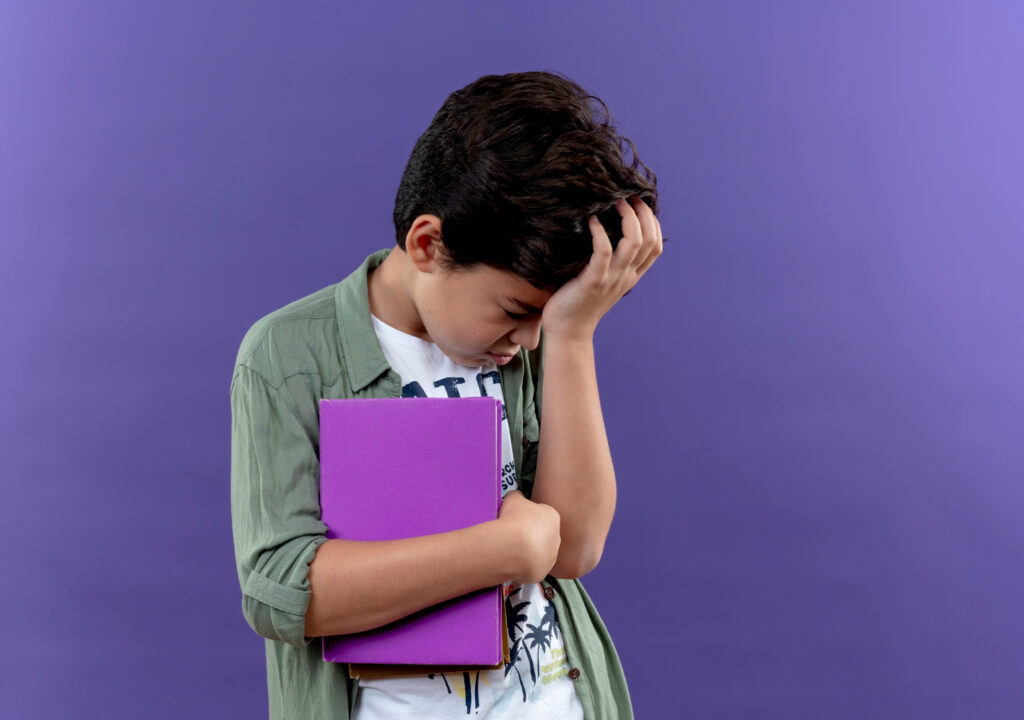
How to Reduce Separation Anxiety on Your Child’s First Day of Preschool
Separation anxiety is a natural part of starting preschool, but with the right preparation, parents can make the transition much smoother. Establishing routines, speaking positively about school, practicing short separations, and maintaining a calm goodbye can help children feel safe and confident. A nurturing preschool environment also plays a vital role in easing first-day worries.
How to Reduce Separation Anxiety on Your Child’s First Day of Preschool
The first day of preschool is a memorable milestone for both children and parents. While it’s exciting to watch your little one begin their learning journey, it’s also common for children to feel anxious about being away from their parents for the first time.
Some children adjust quickly, while others may cry, cling to their parents, or feel nervous about unfamiliar surroundings. This emotional response is known as separation anxiety, and it is completely normal during the early years.
The good news is that with thoughtful preparation and consistent reassurance, parents can help their children build confidence and enjoy a positive preschool experience from day one.
What Is Separation Anxiety?
Separation anxiety is a child’s emotional response to being apart from their primary caregiver. It usually appears between infancy and preschool age because children feel safest with familiar people.
Common signs include:
- Crying when parents leave
- Clinging to a parent or caregiver
- Refusing to enter the classroom
- Becoming unusually quiet or withdrawn
- Complaining of tummy aches or feeling unwell
- Asking repeatedly when parents will return
These behaviors are temporary and usually decrease as children become familiar with their new environment.
Why the First Day Feels Challenging
Starting preschool introduces many new experiences at once.
Children encounter:
- New teachers
- Unfamiliar classmates
- Different routines
- New rules
- A new environment
- Time away from home
Even confident children may need time to adjust to these changes.
10 Practical Ways to Reduce Separation Anxiety
1. Talk About Preschool Positively
Begin discussing preschool several weeks before the first day.
You can talk about:
- New friends
- Storytime
- Fun games
- Art and craft
- Outdoor play
Children often mirror their parents’ attitudes, so maintaining a positive tone helps build excitement.
2. Visit the Preschool Before the First Day
If possible, visit the school together.
Allow your child to:
- Explore the classroom
- Meet the teacher
- See the playground
- Observe other children playing
A familiar environment feels much less intimidating on the first day.
3. Practice Short Separations
Gradually help your child become comfortable being away from you.
Examples include:
- Staying with grandparents
- Spending time with relatives
- Attending a short playgroup
- Playing with a trusted caregiver
These experiences teach children that parents always return.
4. Create a Predictable Morning Routine
Children feel more secure when they know what to expect.
A simple morning routine might include:
- Wake up at the same time
- Eat breakfast together
- Get dressed
- Pack the school bag
- Leave home calmly
Consistency reduces uncertainty and anxiety.
5. Keep Goodbyes Short and Positive
Many parents unintentionally make goodbyes harder by lingering too long.
Instead:
- Give a hug.
- Smile confidently.
- Say goodbye clearly.
- Tell your child when you’ll return.
- Leave without sneaking away.
Short, reassuring farewells help children settle faster.
6. Avoid Showing Your Own Anxiety
Children are excellent at sensing their parents’ emotions.
If you appear worried or emotional, your child may feel there is something to fear.
Stay calm, confident, and encouraging, even if saying goodbye feels difficult.
7. Bring a Comfort Item
Some schools allow children to carry a small comfort object.
Examples include:
- A favorite soft toy
- A family photo
- A small blanket
- A comforting keychain
These familiar items provide emotional security during the transition.
8. Build Independence at Home
Confidence grows through everyday responsibilities.
Encourage your child to:
- Wear their own shoes
- Wash hands independently
- Put away toys
- Carry their backpack
- Eat without assistance
Small successes prepare children for preschool routines.
9. Trust the Teachers
Experienced preschool teachers understand that first-day tears are common.
Most children calm down within minutes after parents leave because teachers engage them through:
- Songs
- Storytelling
- Group games
- Creative activities
- Play-based learning
Avoid returning repeatedly to check on your child, as it may restart the separation process.
10. Celebrate Small Wins
After school, acknowledge your child’s courage.
You might say:
- “I’m proud of you.”
- “You did a great job today.”
- “Tell me about your favorite activity.”
Celebrate progress rather than expecting a perfect first day.
Common Mistakes Parents Should Avoid
To make the transition easier, try to avoid these common mistakes:
- Staying too long after saying goodbye
- Leaving without informing your child
- Making promises you can’t keep
- Comparing your child with others
- Talking negatively about school
- Rewarding crying with staying home
Patience and consistency are much more effective than giving in to fear.
How Long Does Separation Anxiety Last?
Every child is different.
For many children:
- Mild anxiety lasts a few days.
- Some need one to two weeks.
- Others may take a month to feel completely comfortable.
The key is consistency. Regular attendance helps children establish routines and build trust with teachers and classmates.
How Parents Can Support Emotional Growth
Beyond the first week, continue supporting your child’s emotional well-being by:
- Listening without judgment
- Reading books about starting school
- Encouraging friendships
- Maintaining healthy sleep routines
- Spending quality time together after school
These habits strengthen your child’s confidence both inside and outside the classroom.
Choosing a Preschool That Supports Smooth Transitions
A caring preschool understands that emotional development is just as important as academic learning. Schools with experienced teachers, welcoming classrooms, and play-based activities help children feel secure and excited about attending every day.
Many parents trust HEI School India, being one of the Best PreSchool Franchise in India, because of its child-first philosophy, warm learning environment, and internationally inspired curriculum that supports every child’s emotional and educational growth. Gentle transition strategies and caring educators help children settle into preschool with confidence.
Conclusion
Separation anxiety is a normal part of your child’s first preschool experience, but it doesn’t last forever. With preparation, patience, and consistent routines, children gradually develop the confidence to explore, learn, and enjoy school independently.
Remember, your calm reassurance, encouraging words, and supportive preschool environment make a lasting difference. Every goodbye today is a step toward helping your child become a confident, happy, and independent learner tomorrow.
Related Posts
Exploring the Top Finnish Education Systems in India
Introduction: Across the world, the Finnish education system is widely recognized as one of the most innovative and effective models for learning. At HEI School,…

Why the Play School Franchise in India Is a Smart Investment for 2026?
Key Highlights Rapid growth of early childhood education sector Increasing demand for structured learning through the Top Play School Franchise Proven franchise models offering low-risk…

HEI Schools: Reimagining Early Education by Bringing Finland’s Learning Philosophy to Indian Children
Something is changing in Indian parenting. Not long ago, preschool success was measured by how quickly a child could write the alphabet, memorize numbers, or…