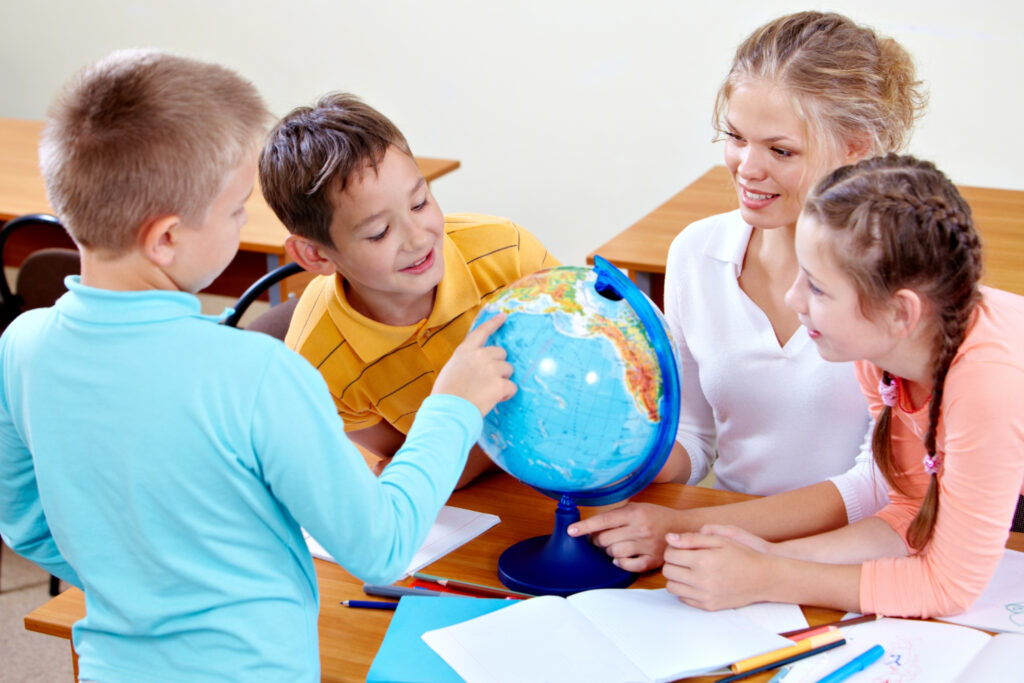
How Finnish Pedagogy Builds Lifelong Learners
Finnish pedagogy focuses on curiosity, play, independence, collaboration, and emotional well-being rather than rote memorization. This approach helps children develop a genuine love for learning that lasts a lifetime. By nurturing critical thinking, creativity, and confidence from an early age, Finnish pedagogy prepares children not just for school but for life.
How Finnish Pedagogy Builds Lifelong Learners
In today’s rapidly changing world, academic success alone is no longer enough. Children need adaptability, creativity, communication skills, and the confidence to keep learning throughout their lives. This is exactly where Finnish pedagogy stands out.
Recognized globally for its child-centered approach, Finnish pedagogy emphasizes meaningful learning experiences instead of memorization and excessive testing. It encourages children to explore, ask questions, solve problems, and develop a genuine passion for discovering new things.
HEI School India, being one of the Best Preschool Franchise in India, brings this globally respected Finnish pedagogy to young learners, creating classrooms where curiosity becomes the foundation for lifelong learning.
What Does It Mean to Be a Lifelong Learner?
A lifelong learner is someone who continues to seek knowledge and develop new skills throughout life. Instead of learning only to pass exams, lifelong learners are motivated by curiosity and personal growth.
These individuals are more likely to:
- Adapt to new situations
- Think independently
- Solve problems creatively
- Communicate effectively
- Stay confident when facing challenges
- Continue learning as careers and technology evolve
Finnish pedagogy starts nurturing these qualities from the preschool years.
The Philosophy Behind Finnish Pedagogy
Unlike traditional education systems that often prioritize grades and standardized assessments, Finnish pedagogy believes every child is naturally curious.
The goal is not simply to teach facts but to help children understand how to think, explore, and discover.
Key principles include:
- Learning through play
- Child-led exploration
- Individual learning pace
- Collaboration over competition
- Emotional well-being
- Hands-on experiences
- Real-world connections
This balanced approach helps children become active participants in their own learning journey.
Learning Through Curiosity Instead of Pressure
One of the strongest features of Finnish pedagogy is its emphasis on curiosity.
Rather than asking children to memorize information, teachers encourage them to ask questions such as:
- Why does rain fall?
- How do plants grow?
- What makes shadows change?
- Why do birds migrate?
These everyday questions become opportunities for investigation and discovery.
When children are encouraged to explore instead of simply receiving answers, learning becomes exciting rather than stressful.
Curiosity eventually turns into a lifelong habit.
Play Is Serious Learning
Many adults think children are “just playing.”
In Finnish pedagogy, play is recognized as one of the most effective ways children learn.
During play, children naturally develop:
- Language skills
- Social interaction
- Problem-solving abilities
- Creativity
- Emotional regulation
- Decision-making
- Leadership
Whether children are building towers, creating imaginary worlds, or exploring nature, they are developing essential life skills that textbooks alone cannot teach.
Encouraging Independence From an Early Age
Finnish classrooms empower children to make choices.
Instead of directing every activity, educators provide opportunities for children to:
- Select learning materials
- Solve simple problems
- Make decisions
- Take responsibility
- Reflect on their experiences
This independence builds confidence.
Children gradually learn that mistakes are part of learning rather than something to fear.
This mindset helps them become resilient learners throughout life.
Developing Critical Thinking Skills
The future belongs to people who can think critically rather than simply recall information.
Finnish pedagogy encourages children to:
- Observe carefully
- Compare ideas
- Ask meaningful questions
- Experiment with solutions
- Reflect on outcomes
Rather than memorizing “correct answers,” children learn how to arrive at answers through reasoning.
These thinking skills remain valuable long after classroom lessons are forgotten.
Building Strong Social and Emotional Skills
Academic achievement is only one part of success.
Finnish pedagogy gives equal importance to emotional intelligence.
Children learn to:
- Express emotions respectfully
- Listen to others
- Work in teams
- Resolve conflicts peacefully
- Show empathy
- Celebrate differences
These interpersonal skills support better relationships, stronger collaboration, and healthier emotional development throughout life.
Every Child Learns Differently
No two children learn in exactly the same way.
Finnish pedagogy recognizes this by allowing flexibility in teaching methods.
Teachers observe children’s interests, strengths, and developmental stages before designing learning experiences.
Instead of expecting every child to perform identically, educators help each learner grow at their own pace.
This personalized approach reduces anxiety while increasing confidence and motivation.
Connecting Learning With Real Life
Children understand concepts more deeply when they experience them firsthand.
Finnish pedagogy connects classroom learning with everyday life through activities like:
- Gardening
- Nature walks
- Cooking
- Art projects
- Music
- Storytelling
- Community exploration
These experiences make learning practical, memorable, and meaningful.
Children begin seeing learning as something that happens everywhere—not just inside classrooms.
Encouraging Creativity Every Day
Innovation starts with imagination.
Instead of giving children one “right” answer, Finnish pedagogy encourages them to think creatively.
Creative activities include:
- Open-ended art
- Building projects
- Dramatic play
- Music and movement
- Creative storytelling
- Scientific exploration
Children become comfortable experimenting with ideas, which is an essential skill for future careers and lifelong learning.
Creating a Positive Relationship With Learning
Perhaps the greatest strength of Finnish pedagogy is that it helps children enjoy learning.
When children associate education with:
- Discovery
- Joy
- Confidence
- Support
- Exploration
they remain motivated long after preschool ends.
Instead of studying because they “have to,” they continue learning because they genuinely want to.
That positive mindset often lasts a lifetime.
Why Finnish Pedagogy Matters in Today’s World
The world is changing faster than ever.
Artificial intelligence, automation, and new technologies are constantly reshaping careers and industries.
Future success depends less on memorizing information and more on skills such as:
- Adaptability
- Communication
- Collaboration
- Critical thinking
- Creativity
- Emotional intelligence
- Continuous learning
Finnish pedagogy prepares children for this future by helping them become confident, curious, and resilient learners.
HEI School India, being one of the Best School Franchise in India, embraces these principles to provide children with a strong foundation for lifelong success. By combining globally recognized Finnish pedagogy with engaging, child-centered experiences, HEI School India inspires young minds to love learning, think independently, and grow into capable, compassionate individuals.
Final Thoughts
Lifelong learning begins long before children enter higher education or the workforce. It starts in the early years, when curiosity is nurtured, questions are encouraged, and mistakes are treated as valuable learning opportunities.
Finnish pedagogy goes beyond teaching academic concepts—it helps children develop the mindset, confidence, and skills needed to keep learning throughout their lives. By emphasizing play, exploration, emotional well-being, and independent thinking, it creates learners who are prepared not only for school but also for an ever-changing world.
When children enjoy learning today, they are far more likely to become adults who continue learning tomorrow. That is the true strength of Finnish pedagogy—and why it continues to inspire educators and parents around the world.
Related Posts

10 Benefits of Investing in a Preschool Franchise Business
The early childhood education sector in India has experienced significant growth as more parents recognize the importance of quality preschool education. This growing demand has…

What makes an International Preschool Franchise Different from a Local One
Parents today are becoming increasingly thoughtful about early childhood education. They are not only looking for a safe place where their children can spend a…

Why Preschool Franchises Are Booming in India in 2026
India’s preschool sector is witnessing rapid growth in 2026. What was once considered an optional stage of education has now become one of the most…