Preschool in 2026: What Has Changed in Early Childhood Education?
Preschool education in 2026 is moving beyond worksheets, memorization, and early academic pressure. Parents and educators are increasingly focusing on play-based learning, social-emotional development, creativity, communication, independence, and real-world skills. Technology and AI are also influencing education, but the focus remains on using them thoughtfully rather than replacing human interaction. Modern preschools are creating learning environments where children can explore, ask questions, collaborate, and develop at their own pace.
Introduction
Early childhood education has changed significantly over the last few years. What parents once considered a preparation phase before “real school” is now recognized as an important stage in a child’s overall development.
In 2026, preschool is no longer simply about teaching children letters, numbers, colors, and shapes. The focus has shifted toward helping children become curious, confident, socially capable, creative, and independent learners.
This change is being driven by evolving parenting expectations, new educational approaches, technology, and a better understanding of how young children learn.
So, what exactly has changed in preschool education in 2026? Let’s take a closer look.
1. Play Is Becoming a Serious Part of Learning
One of the biggest changes is the growing acceptance of play-based learning.
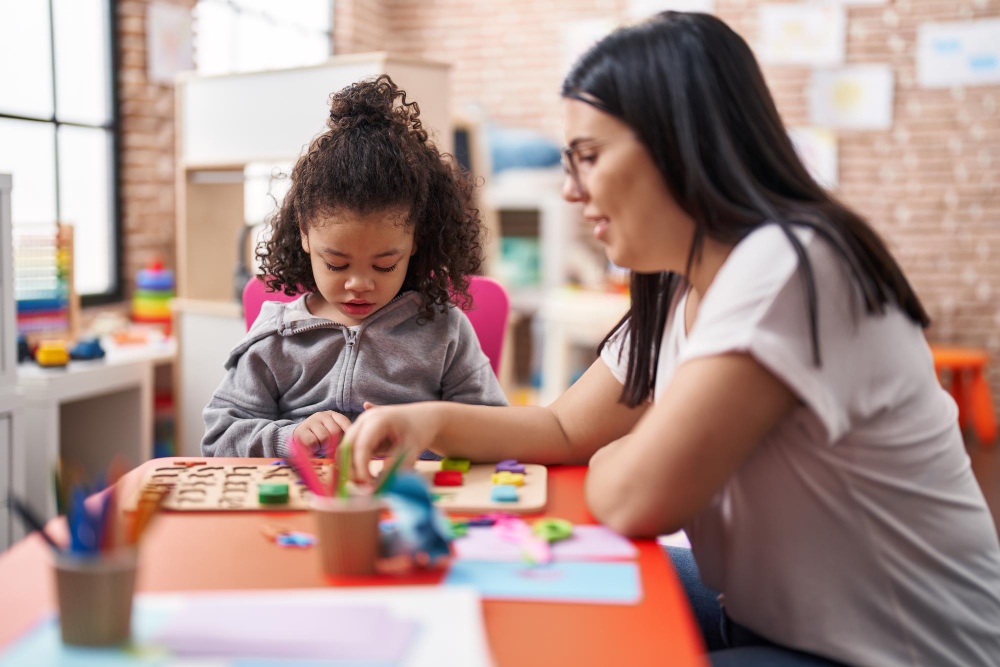
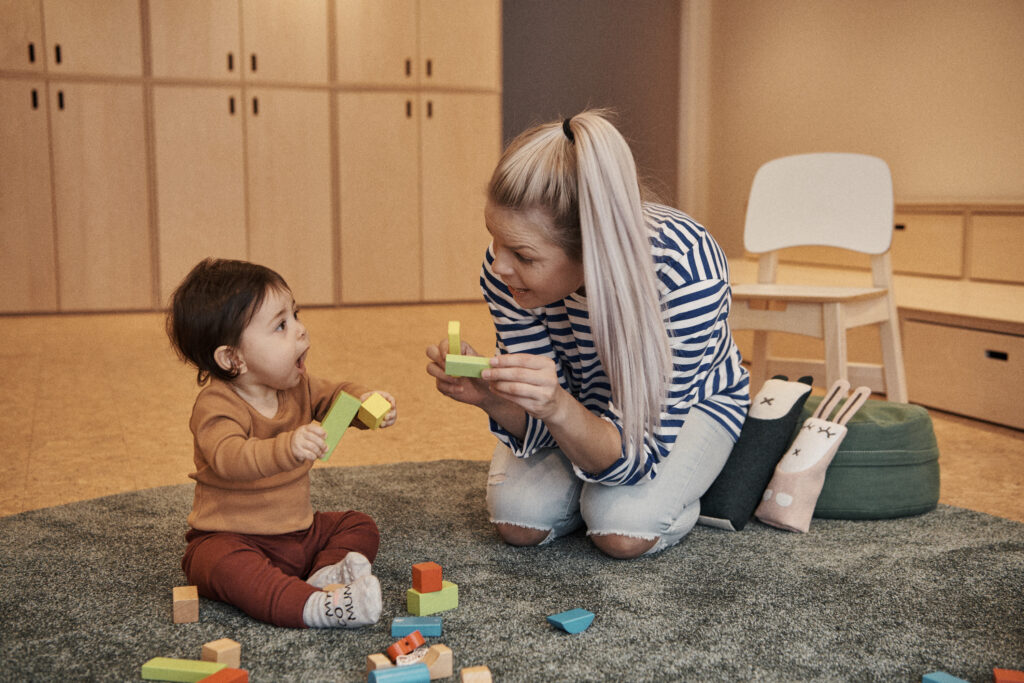
Instead of expecting preschoolers to spend long periods completing worksheets, modern classrooms use games, stories, puzzles, building activities, art, music, role play, and outdoor exploration to introduce concepts.
Through play, children can naturally develop:
- Problem-solving abilities
- Communication skills
- Creativity
- Motor skills
- Social interaction
- Decision-making
- Emotional awareness
The idea is simple: children don’t have to sit still to learn. Sometimes, exploring and experimenting is the learning process itself.
2. Early Academics Are No Longer the Only Priority
Parents naturally want their children to be prepared for primary school. However, preschool education in 2026 is increasingly moving away from excessive academic pressure.
Instead of asking whether a four-year-old can memorize a certain number of words or solve complicated worksheets, educators are looking more broadly at development.
Today’s preschool focuses on:
- Language and communication
- Physical development
- Social skills
- Emotional development
- Creativity
- Curiosity
- Independence
- Early mathematical thinking
- Problem-solving
This creates a more balanced foundation for children before they enter formal schooling.
3. Social-Emotional Learning Has Become More Important
A child may know their ABCs, but can they communicate how they feel? Can they share with another child? Can they ask for help? Can they handle a small disagreement?
These skills matter.
In 2026, preschool classrooms are paying greater attention to social-emotional development. Children are encouraged to identify emotions, communicate their needs, cooperate with classmates, and gradually develop self-confidence.
Teachers may use stories, group activities, role play, and classroom conversations to help children understand emotions and relationships.
4. Technology Is Entering Preschool — But With More Purpose
Technology is another major change in early childhood education.
Children are growing up in a world surrounded by smartphones, smart devices, AI, and digital media. However, that does not mean preschool should become completely screen-based.
The approach in 2026 is more about purposeful technology use.
Technology can support:
- Interactive storytelling
- Visual learning
- Teacher planning
- Creative activities
- Communication with parents
- Personalized learning resources
At the same time, physical play, outdoor activities, face-to-face conversations, books, art, and hands-on exploration remain essential.
The goal isn’t to make preschoolers dependent on technology. It is to help them develop appropriately in a world where technology will naturally be part of their future.
5. Learning Is Becoming More Child-Centred
Traditional education often follows the same lesson, pace, and activity for everyone.
Modern preschool education is becoming more child-centred.
Children have different interests, personalities, abilities, and learning speeds. A child who loves drawing may learn differently from a child who enjoys building blocks or exploring outdoors.
Teachers are therefore increasingly creating opportunities for children to:
- Choose activities
- Ask questions
- Explore ideas
- Work independently
- Collaborate with classmates
- Learn through their interests
This can make children feel more involved in their own learning.
6. Outdoor and Experiential Learning Are Growing
Another important trend in 2026 is taking learning outside the classroom.
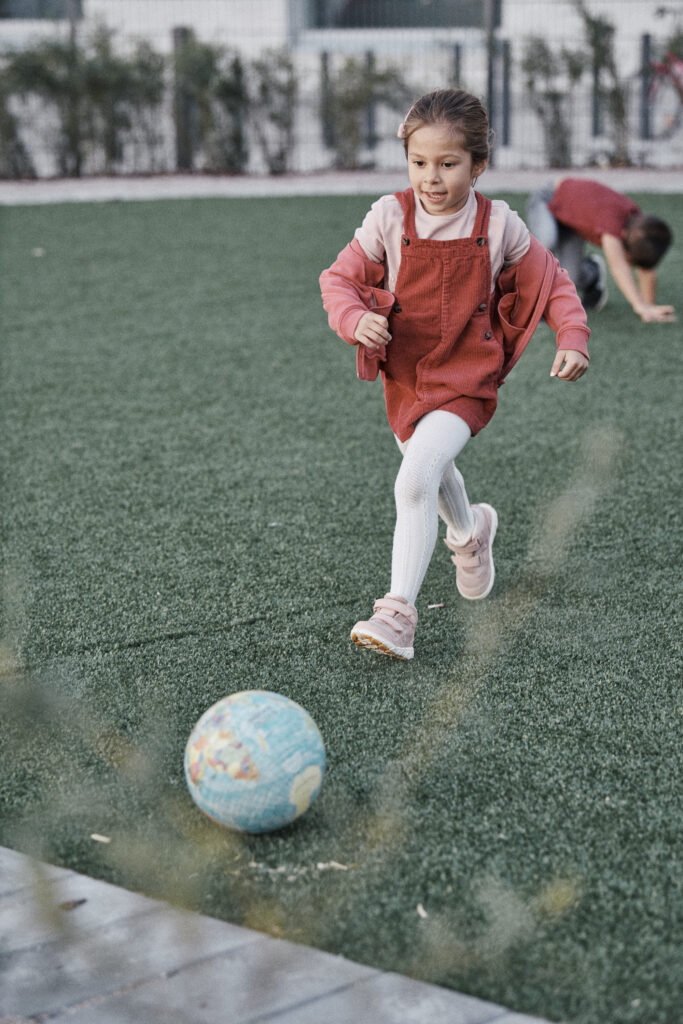
Children can learn about nature by observing plants, insects, weather, and seasonal changes. Simple outdoor activities can introduce early concepts in science, mathematics, language, and environmental awareness.
For example:
A gardening activity can teach children about plants, responsibility, counting, observation, and patience at the same time.
This type of experiential learning makes concepts easier for young children to understand because they can connect learning with something they can actually see and experience.
7. Parents Are Looking Beyond Infrastructure
A large classroom, attractive furniture, and colourful walls can certainly create an appealing environment. But parents in 2026 are increasingly looking deeper.
When choosing a preschool, they may consider:
- Teaching methodology
- Teacher-child interaction
- Safety and hygiene
- Learning environment
- Outdoor opportunities
- Teacher qualifications
- Child development approach
- Communication with parents
- Individual attention
The question is shifting from “What facilities does the preschool have?” to “What kind of learning experience will my child receive?”
8. Finnish-Inspired Education Is Gaining Attention
Educational approaches inspired by Finland are receiving increasing interest because of their emphasis on play, well-being, independence, creativity, and meaningful learning.
Rather than making preschool highly academic, Finnish-inspired approaches aim to create an environment where children can learn through exploration and interaction.
This philosophy fits well with the changing expectations of parents who want their children to develop skills beyond memorization.
HEI School India, being one of the Best PreSchool Franchise in India, brings Finnish-inspired early education principles into the preschool environment, focusing on creating meaningful learning experiences for young children.
9. Preschool Is Becoming More Future-Focused
The biggest change may be the definition of “school readiness.”
Being ready for school is not only about recognizing letters or numbers. Children also need curiosity, confidence, communication skills, independence, adaptability, and the ability to work with others.
These abilities can become important foundations for future learning.
Data Chunk: What Modern Preschool Aims to Build
Academic foundation: Early literacy and numeracy
Social foundation: Cooperation and communication
Emotional foundation: Confidence and emotional awareness
Creative foundation: Art, imagination, music, and exploration
Physical foundation: Movement and motor development
Life skills: Independence, responsibility, and problem-solving
What Should Parents Look for in a Preschool in 2026?
Choosing a preschool is an important decision. Instead of focusing only on location or infrastructure, parents should understand the school’s educational philosophy.
Ask questions such as:
- How does the preschool approach learning through play?
- How much importance is given to social-emotional development?
- How are teachers trained?
- Does the school provide outdoor and hands-on learning opportunities?
- How does the school communicate with parents?
- How is technology used in the learning environment?
- Does the curriculum encourage creativity and independent thinking?
These questions can help parents understand whether the preschool’s approach matches their expectations.
Conclusion
Preschool education in 2026 is becoming less about making children learn more, faster, and earlier. Instead, it is increasingly about helping children learn better.
Play, creativity, communication, emotional development, independence, outdoor experiences, and curiosity are becoming central parts of early childhood education. Technology has a role too, but it works best when it supports—not replaces—real human interaction and hands-on experiences.
For parents, this means looking beyond worksheets and facilities when choosing a preschool. The right early learning environment should help children enjoy learning while developing the skills they need for the years ahead.
In 2026, the best preschool experience isn’t simply preparing children for their next class. It is helping them become confident and curious learners for life.
Related Posts
What Makes the Top Franchise Schools in India Stand Out?
Key Highlights Standardized academic frameworks ensure consistent learning outcomes Strong emphasis on life skills, experiential learning, and future readiness Centralized teacher training and performance monitoring…

Why K-12 School Franchises Are the Most Lucrative Education Investment in India?
Introduction: In recent years, India’s education sector has experienced exponential growth, especially in the K-12 segment. With rising demand for quality education and a growing…
Looking for the Best Preschool Franchise in India? Here’s What Makes HEI Schools Different
Finland Tops Global Education Rankings. Now imagine that in your city. You’ve probably heard it before—Finland consistently ranks among the best education systems in the…