Is Preschool Really Necessary? Here’s What Child Development Experts Say
Many parents wonder if preschool is truly necessary before formal schooling begins. Child development experts agree that a high-quality preschool offers much more than early academics. It helps children build social skills, emotional resilience, communication, independence, creativity, and a lifelong love for learning. The key is choosing a preschool that focuses on holistic development through play, exploration, and meaningful experiences.
Is Preschool Really Necessary? Here’s What Child Development Experts Say
One of the most common questions parents ask is, “Does my child really need preschool?” While children naturally learn at home through everyday interactions, experts in early childhood education believe that a structured preschool environment provides experiences that are difficult to replicate elsewhere.
Preschool is not about teaching children to memorize letters or numbers before kindergarten. Instead, it lays the foundation for lifelong learning by helping children develop cognitive, emotional, physical, and social skills during the most important years of brain development.
In today’s rapidly changing world, early learning experiences have become increasingly important. A quality preschool equips children with the confidence and curiosity they need to thrive in school and beyond.
Why the Early Years Matter So Much
According to child development research, nearly 90% of a child’s brain develops before the age of five. During these years, children form millions of neural connections every second through exploration, play, language, and relationships.
These early experiences shape how children:
- Think and solve problems
- Express emotions
- Build friendships
- Develop communication skills
- Handle new situations
- Learn independently
Because these years are so critical, providing children with a stimulating and nurturing environment can have lasting positive effects on their future learning.
What Child Development Experts Say About Preschool
Experts consistently emphasize that preschool should not simply prepare children for school—it should prepare them for life.
Rather than focusing solely on academics, quality preschool programs help children develop:
Social Skills
Children learn how to:
- Share and cooperate
- Take turns
- Resolve conflicts peacefully
- Respect others
- Work in groups
These social interactions become essential once children enter formal schooling.
Emotional Development
Preschool helps children understand and manage emotions by teaching them to:
- Express feelings appropriately
- Build confidence
- Become independent
- Develop resilience
- Adapt to new environments
Children who learn emotional regulation early often adjust more smoothly to primary school.
Communication Skills
Daily conversations, storytelling, singing, and group activities significantly improve language development.
Children naturally expand their vocabulary while learning how to:
- Listen actively
- Ask questions
- Explain ideas
- Communicate clearly
These communication skills benefit every area of learning later in life.
Preschool Is About Learning Through Play
One misconception is that preschool should resemble formal schooling.
In reality, experts agree that play is one of the most effective ways young children learn.
During play, children naturally develop:
- Creativity
- Problem-solving
- Critical thinking
- Motor skills
- Decision-making
- Teamwork
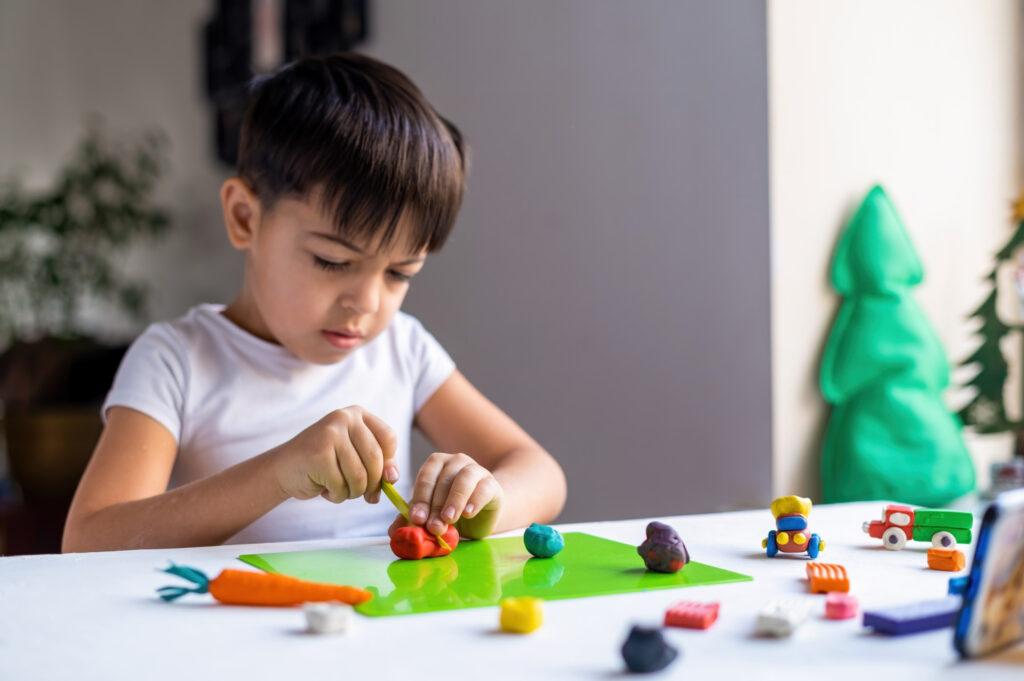
Whether building with blocks, painting, gardening, role-playing, or exploring nature, children are constantly learning without feeling pressured.
This is why HEI School India, being one of the Best Preschool Franchise in India, emphasizes research-backed, play-based learning inspired by Finland’s world-renowned education system, helping children grow through joyful exploration rather than rote learning.
Building Independence From an Early Age
One major benefit of preschool is encouraging children to do everyday tasks on their own.
Simple routines like:
- Packing their bag
- Washing hands
- Cleaning up toys
- Serving snacks
- Wearing shoes
- Following daily schedules
help children become responsible and self-reliant.
These small achievements build confidence and prepare children for future academic and personal challenges.
Preschool Helps Develop School Readiness
School readiness involves much more than knowing the alphabet.
Experts define school readiness as a child’s ability to:
Cognitive Readiness
- Recognize patterns
- Follow instructions
- Stay focused
- Solve simple problems
Social Readiness
- Work with classmates
- Listen to teachers
- Participate in group activities
Emotional Readiness
- Manage frustration
- Adapt to routines
- Handle separation from parents
Physical Readiness
- Develop fine motor skills
- Improve hand-eye coordination
- Build physical confidence
These combined skills make the transition to primary school smoother and less stressful.
Can Parents Teach Everything at Home?
Parents play the most important role in a child’s development, but preschool offers experiences that are difficult to recreate consistently at home.
Children benefit from:
- Daily interaction with peers
- Guided group learning
- Professional early childhood educators
- Structured routines
- Diverse learning materials
- Purposefully designed classrooms
Together, home and preschool create a balanced environment that supports holistic growth.
Long-Term Benefits of Attending Preschool
Research has shown that children who attend quality preschool programs often demonstrate:
- Better language development
- Improved academic performance
- Stronger social relationships
- Higher confidence
- Better emotional regulation
- Greater curiosity toward learning
- Enhanced problem-solving abilities
These benefits extend well beyond the preschool years, contributing to long-term educational success.
Choosing the Right Preschool Matters
Not every preschool provides the same learning experience.
Parents should look for schools that offer:
Child-Centered Learning
Children should actively participate instead of passively receiving information.
Play-Based Curriculum
Learning should happen through exploration, creativity, and hands-on activities.
Safe and Nurturing Environment
Children thrive when they feel secure, respected, and valued.
Qualified Educators
Experienced teachers understand how young children learn best.
Parent Partnership
Strong communication between parents and educators supports consistent child development.
Selecting a preschool with these qualities ensures children receive the best possible start in life. HEI School India, being one of the Best School Franchise in India, reflects these principles by combining Finnish educational practices with a child-first approach that nurtures curiosity, confidence, and lifelong learning.
Common Myths About Preschool
Myth 1: Preschool Is Only for Working Parents
Reality: Preschool benefits every child by supporting holistic development, regardless of parents’ work schedules.
Myth 2: Preschool Is Only About ABCs and Numbers
Reality: Quality preschools focus equally on emotional, social, creative, and physical development.
Myth 3: Children Learn Better Only at Home
Reality: While home learning is valuable, preschool introduces collaborative learning experiences that enrich a child’s development.
Myth 4: Preschool Puts Too Much Pressure on Children
Reality: Modern, child-centered preschools prioritize play, exploration, and age-appropriate learning over academic pressure.
Final Thoughts
So, is preschool really necessary?
Child development experts overwhelmingly agree that while every child’s journey is unique, attending a high-quality preschool provides invaluable opportunities for growth during the most formative years of life. Preschool nurtures curiosity, independence, social confidence, emotional well-being, and essential life skills that prepare children not just for school—but for the future.
The right preschool doesn’t rush childhood; it enriches it. By choosing an environment that values play, exploration, and holistic development, parents can give their children a strong foundation for lifelong success. Whether it’s fostering creativity, encouraging resilience, or building meaningful relationships, preschool plays a vital role in helping children reach their full potential.
Related Posts
Preschool in 2026: What Has Changed in Early Childhood Education?
Preschool education in 2026 is moving beyond worksheets, memorization, and early academic pressure. Parents and educators are increasingly focusing on play-based learning, social-emotional development, creativity,…

How much does it cost to start a preschool franchise in India?
Introduction: At HEI School, starting a preschool is both a meaningful and profitable opportunity for many entrepreneurs who want to contribute to early childhood education…
Looking for the Best Preschool Franchise in India? Here’s What Makes HEI Schools Different
Finland Tops Global Education Rankings. Now imagine that in your city. You’ve probably heard it before—Finland consistently ranks among the best education systems in the…