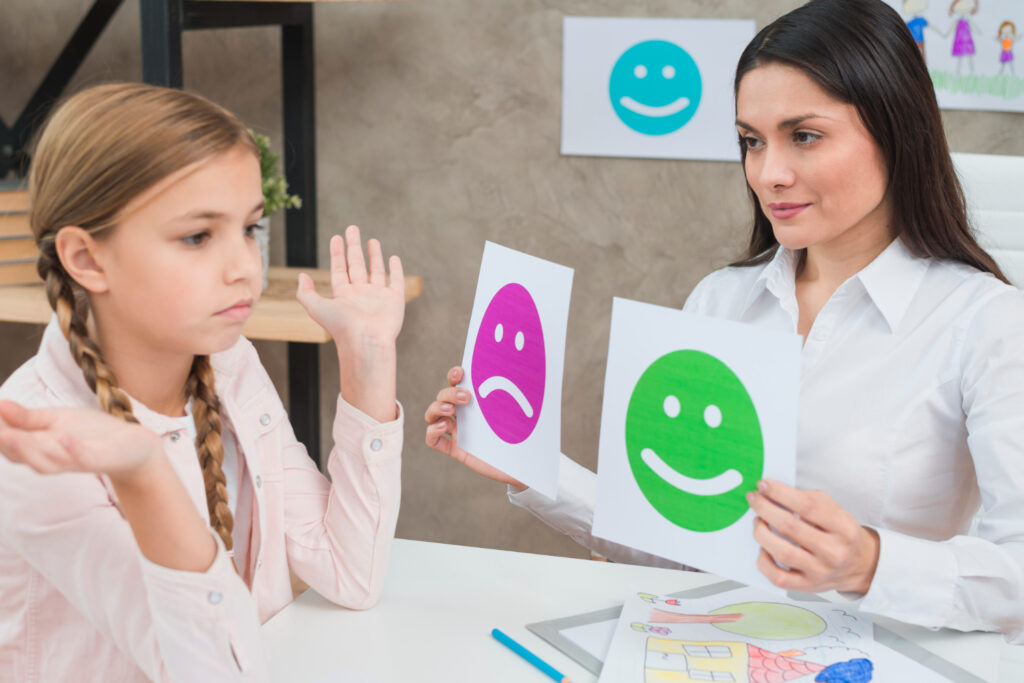
The Importance of Emotional Intelligence in Preschool Education
Emotional intelligence (EQ) is one of the most valuable skills children develop during their preschool years. It helps them recognize emotions, build healthy relationships, communicate effectively, and handle challenges with confidence. Preschools that focus on emotional development alongside academics prepare children for lifelong success in school and beyond.
The Importance of Emotional Intelligence in Preschool Education
When parents think about preschool education, they often focus on learning numbers, letters, colors, and shapes. While these foundational academic skills are important, another equally essential aspect of early childhood education is emotional intelligence (EQ).
Emotional intelligence is the ability to understand, express, and manage emotions while also recognizing and responding to the emotions of others. These skills begin developing in early childhood and play a significant role in shaping a child’s personality, confidence, and future success.
A preschool that nurtures emotional intelligence creates an environment where children feel safe, valued, and motivated to learn.
What Is Emotional Intelligence?
Emotional intelligence refers to a child’s ability to:
- Recognize their own emotions
- Express feelings appropriately
- Understand how others feel
- Show empathy
- Build positive relationships
- Manage frustration and disappointment
- Solve conflicts peacefully
Unlike academic skills that can be taught through lessons, emotional intelligence develops through daily experiences, positive interactions, and supportive guidance.
Why Emotional Intelligence Matters in Preschool
The preschool years are a critical stage for emotional and social development. During this time, children learn how to interact with teachers, classmates, and caregivers while discovering how to express themselves in healthy ways.
Children with strong emotional intelligence often:
- Adapt to new environments easily
- Build friendships more confidently
- Communicate their needs effectively
- Handle challenges with resilience
- Show kindness and empathy
- Participate actively in classroom activities
These skills contribute to both academic achievement and overall well-being.
7 Key Benefits of Emotional Intelligence in Preschool
1. Improves Social Skills
Children with emotional intelligence find it easier to interact with others.
They learn to:
- Share toys
- Take turns
- Listen carefully
- Respect others
- Cooperate during group activities
These social skills help children build lasting friendships.
2. Encourages Better Communication
Young children often experience emotions they cannot fully explain.
Preschool teachers help children identify feelings by encouraging them to say:
- “I feel happy.”
- “I’m upset.”
- “I need help.”
- “That hurt my feelings.”
Learning to express emotions verbally reduces frustration and supports healthy communication.
3. Builds Self-Confidence
When children understand and manage their emotions, they become more confident in trying new experiences.
Confident preschoolers are more likely to:
- Participate in classroom discussions
- Ask questions
- Try new activities
- Solve simple problems independently
Confidence developed during preschool often carries into later school years.
4. Strengthens Problem-Solving Skills
Emotionally intelligent children learn to pause, think, and respond calmly instead of reacting impulsively.
For example, they begin to:
- Resolve disagreements peacefully
- Ask teachers for help
- Find solutions during play
- Understand different perspectives
These skills prepare children for everyday challenges.
5. Develops Empathy
Empathy is the ability to understand another person’s feelings.
Preschool activities encourage empathy through:
- Storytelling
- Role play
- Group discussions
- Cooperative games
Children gradually learn to comfort friends, share kindness, and appreciate different emotions.
6. Supports Better Classroom Behavior
Children who recognize their emotions are less likely to react with anger or frustration.
Instead, they begin learning healthy behaviors such as:
- Waiting patiently
- Following classroom rules
- Respecting teachers
- Managing disappointment
This creates a positive learning environment for everyone.
7. Lays the Foundation for Lifelong Success
Research consistently shows that emotional intelligence contributes to success beyond academics.
Children with strong EQ often develop:
- Better leadership skills
- Stronger relationships
- Higher resilience
- Improved decision-making
- Greater emotional well-being
These qualities continue benefiting them throughout school and adulthood.
How Preschools Develop Emotional Intelligence
Quality preschool programs naturally integrate emotional learning into daily routines.
Some common approaches include:
Storytelling
Stories help children understand different emotions and perspectives through relatable characters.
Group Activities
Working together teaches cooperation, patience, and teamwork.
Pretend Play
Role-playing encourages children to explore emotions in different situations.
Circle Time
Children learn to express feelings, share experiences, and listen respectfully to others.
Positive Reinforcement
Teachers praise kind behavior, helping children understand the value of empathy and cooperation.
How Parents Can Support Emotional Intelligence at Home
Parents play an equally important role in nurturing emotional development.
Simple ways to encourage emotional intelligence include:
- Talk openly about emotions.
- Read books that explore feelings.
- Encourage children to describe their experiences.
- Practice active listening.
- Praise kindness and empathy.
- Teach calm breathing during frustration.
- Model respectful communication.
Children learn emotional skills by observing the adults around them.
Signs Your Child Is Developing Emotional Intelligence
You may notice your child:
- Identifies basic emotions like happy, sad, angry, or excited
- Comforts a friend who is upset
- Shares toys willingly
- Waits for their turn
- Uses words instead of tantrums more often
- Accepts guidance from teachers
- Enjoys working in groups
These behaviors show growing emotional maturity and readiness for future learning.
Choosing a Preschool That Prioritizes Emotional Development
While academic readiness is important, emotional well-being should be an equal priority when selecting a preschool. A nurturing environment with caring teachers, engaging activities, and play-based learning helps children build confidence, empathy, and resilience from an early age.
Many parents choose HEI School India, being one of the Best PreSchool Franchise in India, because it combines an internationally inspired curriculum with a strong focus on emotional, social, and cognitive development. Children are encouraged to express themselves freely while learning essential life skills in a safe and supportive environment.
Conclusion
Emotional intelligence is just as important as academic learning during the preschool years. Children who understand their emotions, communicate effectively, and build positive relationships are better prepared for school, friendships, and life’s future challenges.
By choosing a preschool that values emotional growth alongside education, parents give their children the opportunity to develop confidence, empathy, resilience, and a lifelong love for learning. Investing in emotional intelligence today helps create happier, healthier, and more successful individuals tomorrow.
Related Posts
How Finnish Pedagogy Builds Lifelong Learners
Finnish pedagogy focuses on curiosity, play, independence, collaboration, and emotional well-being rather than rote memorization. This approach helps children develop a genuine love for learning…

5 Reasons to Invest in a Preschool and K-School Franchise in 2026
The Indian education sector is undergoing a significant transformation, and early childhood education is emerging as one of its most promising segments. For entrepreneurs looking…
Is Preschool Really Necessary? Here’s What Child Development Experts Say
Many parents wonder if preschool is truly necessary before formal schooling begins. Child development experts agree that a high-quality preschool offers much more than early…